
Cherry Street Village — A Model for Sustainable Stormwater Management
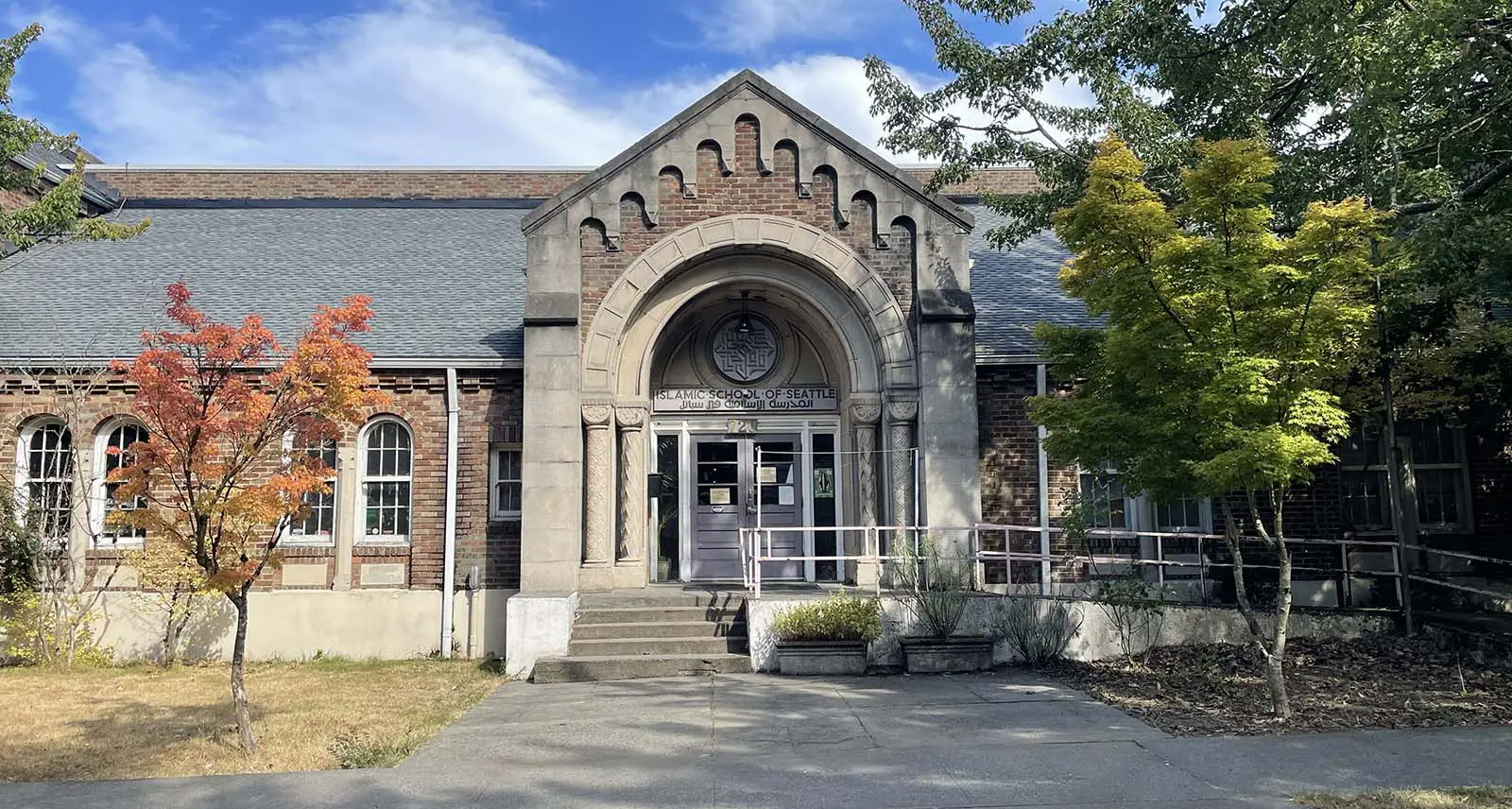
Cherry Street Village is an interfaith arts and community collective that is dedicated to peace, justice, celebration, culture, and community development. It is based in a historic Central District building that has served Seattle’s diverse communities for decades.

Project Scope
- Green stormwater infrastructure
- Reduce neighborhood flooding
- Community-based design
- At-risk capital
- Community garden
- Public gathering space
The Cherry Street Village Project transforms a historic community hub into a living demonstration of distributed rainwater management and neighborhood-scale green infrastructure. Designed to capture, store, and treat stormwater runoff from approximately half an acre of impervious surfaces, the project combines underground detention systems, above ground two 5,000 gallon cisterns, and a bioretention facility that filters and slows stormwater before it reaches Seattle’s combined sewer system. By managing rainfall where it falls, the project reduces pressure on aging infrastructure, improves water quality, and advances a more resilient urban watershed.
Green stormwater infrastructure (GSI) is integrated throughout the site as both a functional and educational feature. Visible cisterns harvest rainwater for landscape use, while the bioretention system provides natural treatment of runoff from parking areas. These investments, complemented by three raised beds and a rainwater harvesting system, will be the start to Cherry Street’s own community garden. As RainCity Partnerships’ first community-driven GSI project, Cherry Street Village demonstrates how neighborhood priorities, environmental stewardship, and cultural placemaking can come together to create a healthier and more sustainable urban environment.

Anticipated Results
The project revitalizes Cherry Street Village by integrating community-focused amenities with innovative GSI that captures, stores, and treats rainwater where it falls. Through a network of cisterns, detention systems, and bioretention features, the project will slow and manage nearly 25,000 gallons of runoff during storm events, improving water quality, reducing localized flooding, and decreasing flows to Seattle’s combined sewer system.
In addition to its environmental benefits, the project creates new opportunities for food access, cultural expression, and community gathering, strengthening Cherry Street Village’s role as a resilient neighborhood hub and a model for community-driven watershed stewardship.
Partners
Seattle Public Utilities
Cherry Street Village
Timeline
2025-2026